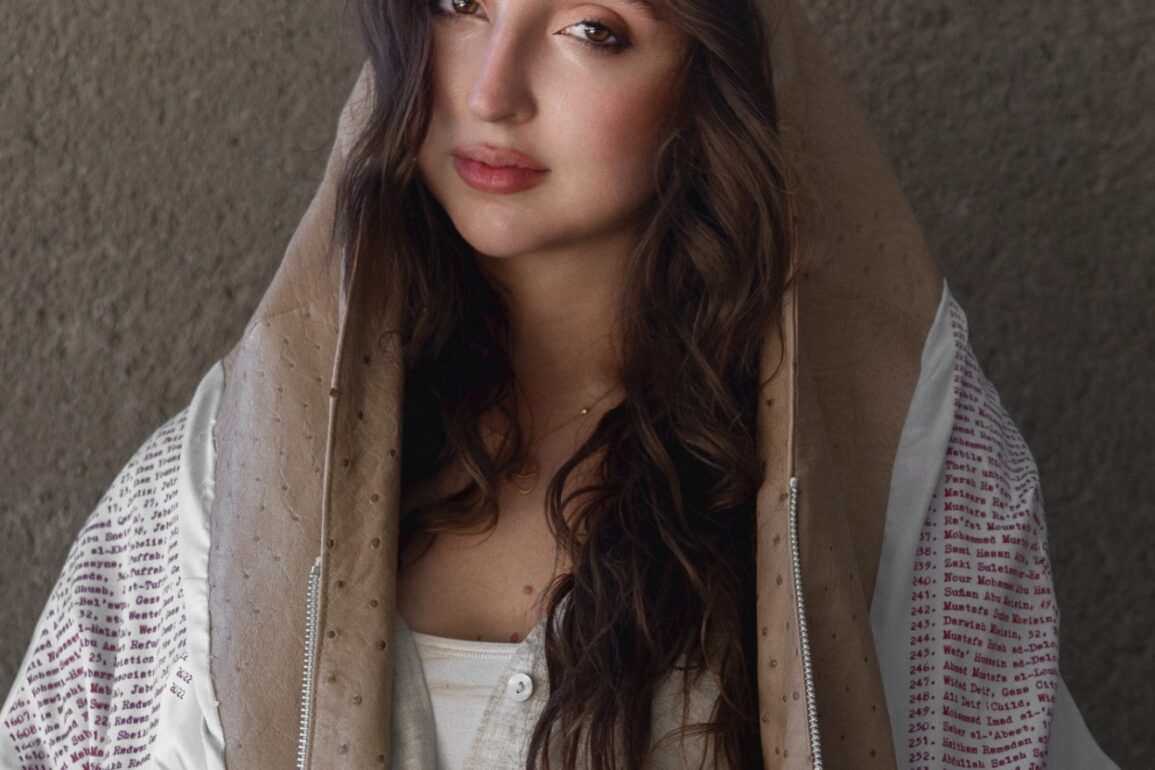

Sylwia Nazzal is an artist and the founder of Nazzal Studio, a multidisciplinary fashion studio operating at the intersection of fashion, ethics, and cultural resistance. Rooted in Palestinian heritage, her work transforms clothing into a medium for storytelling, memory, and political expression. Her artistic practice was shaped during her university years through an intensive study of politics, identity, and heritage. Her graduate thesis collection, What Should Have Been Home, examined Palestinian displacement and resilience and became the conceptual foundation for Nazzal Studio. Following her graduation in 2023, the collection gained international recognition for its uncompromising portrayal of resistance through art. While her outspoken stance came at a professional cost, it ultimately positioned her work within a global moment ready to engage with narratives long pushed to the margins. Nazzal Studio operates as a studio rather than a conventional fashion label. The brand collaborates closely with refugee women and local artisans, prioritizing ethical production, cultural continuity, and community empowerment over mass manufacturing. These collaborations sustain traditional craftsmanship while creating fair income and creative agency. Through fashion, performance, and material experimentation, Sylwia Nazzal challenges dominant systems within the industry, positioning clothing as a living archive of memory, defiance, and belonging. Her work insists that fashion can be both art and resistance and that creation itself can be an act of justice.
Sylwia Nazzal Questionnaire
Q. You’ve described yourself as an artist first, with fashion as your medium. What do you love most about being a designer, and how does creativity show up in your everyday work?
A. I see fashion as a living artwork, not a product. What I love most is that clothing allows ideas, memory, and politics to exist on the body and move through the world with people. Fashion for me is a language, not an industry. I personally live and breathe in my studio, so that type of creativity is always allowed to be expressed at any given moment, that is kind of how it shows up for me, just constantly having the space to access and create ideas.
Q. Is there one piece you’ve designed that feels especially personal or meaningful to you? What makes it stand out in your journey so far?
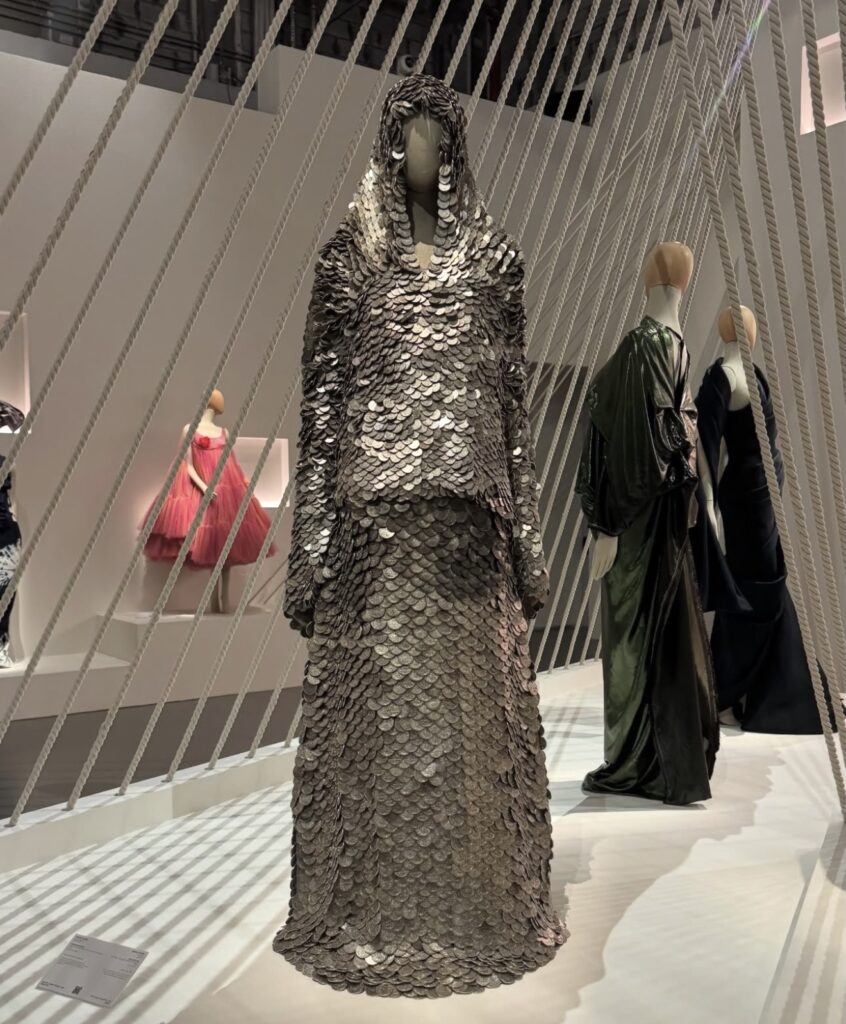
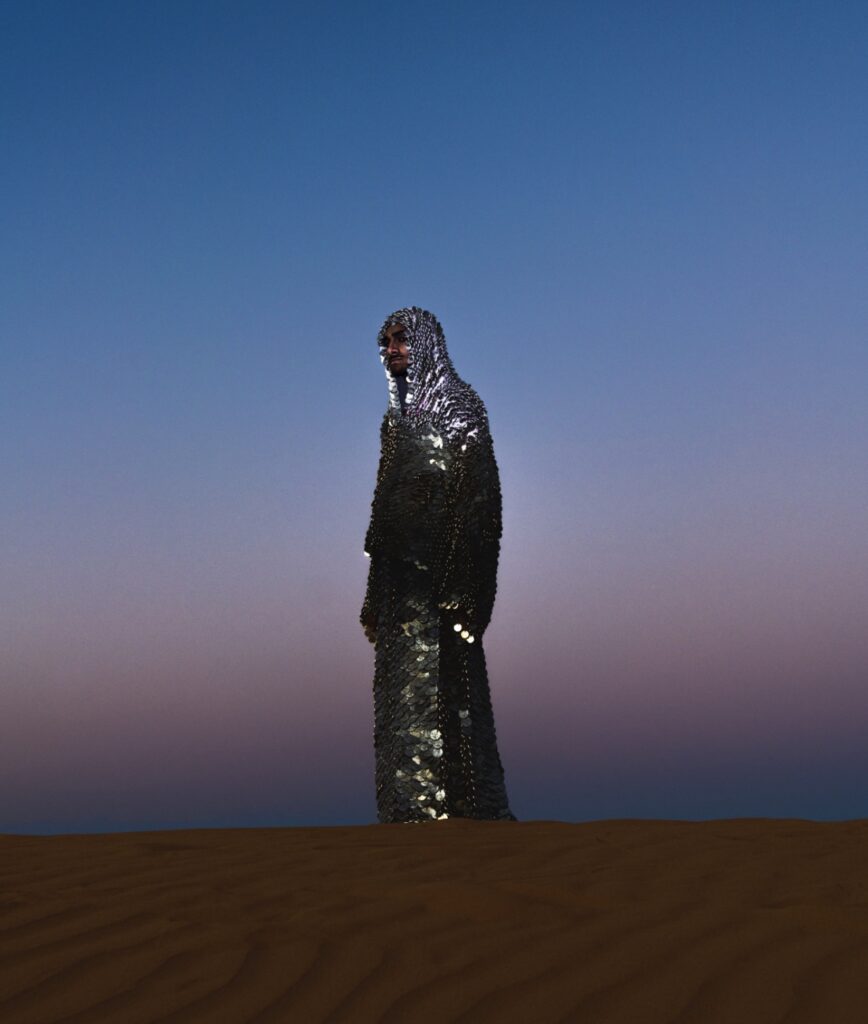
A. One of the most meaningful pieces is the coin piece from What Should Have Been Home. It physically carries weight, history, and loss. I worked with refugee women to create it, and to hear my stories of a home that should have been all of our home as they hand-stitched each coin hand-stitched meant more to me than the piece itself. And, wearing that piece is not comfortable, and that’s intentional. It reflects the emotional and physical weight of resistance; the person who wears the garment is physically resisting it in real time, like a giant metaphor that is never-ending. It marked a turning point where my work stopped trying to explain itself and instead demanded to be felt.

Q. Your time at Parsons played a role in shaping your path. What did that experience teach you both creatively and personally that still stays with you today?
A. Parsons taught me to love my culture more and it unleashed the political creative side of me. I was bullied and surrounded by zionists and it pushed me to articulate why I make what I make unapologetically. Personally, it taught me to trust my instincts even when they don’t fit into everyone else’s standards.
Q. What is something people might not know about you or your process that you think is important to share?
A. My process is deeply research-based; I always have a direct reference from my heritage that I want to highlight and make everyone notice, as I noticed. I absolutely hate sketching, and you will never see that as part of my process. I am quite chaotic when I create and prototype, but I love trial and errors and I think I only try to be perfect when I am actually making that final piece. Oh and I work really fast and really hard really last minute.
Q. Looking ahead, can you tell us about your new collection and where you see yourself and Nazzal Studio evolving in the future?
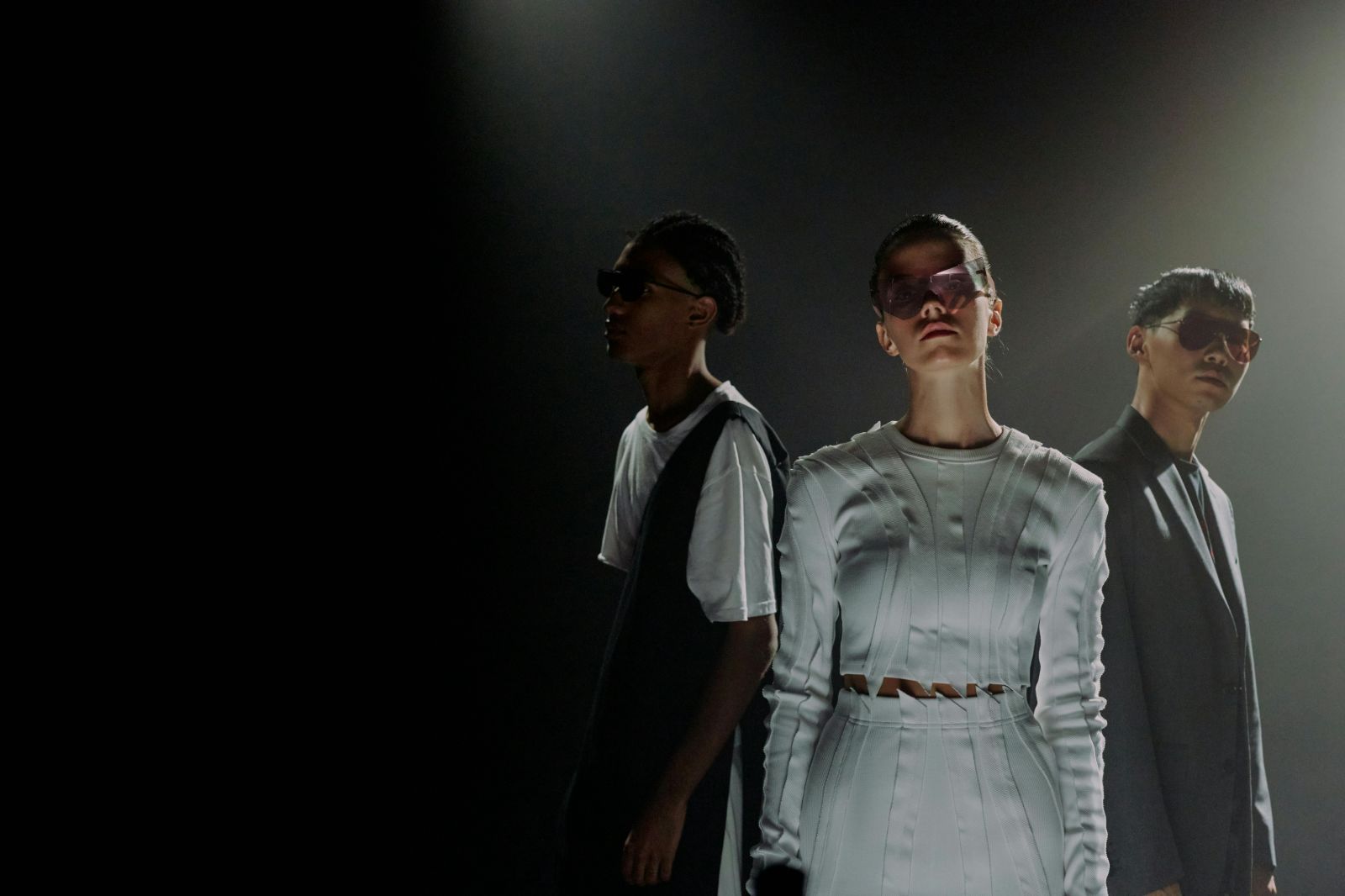
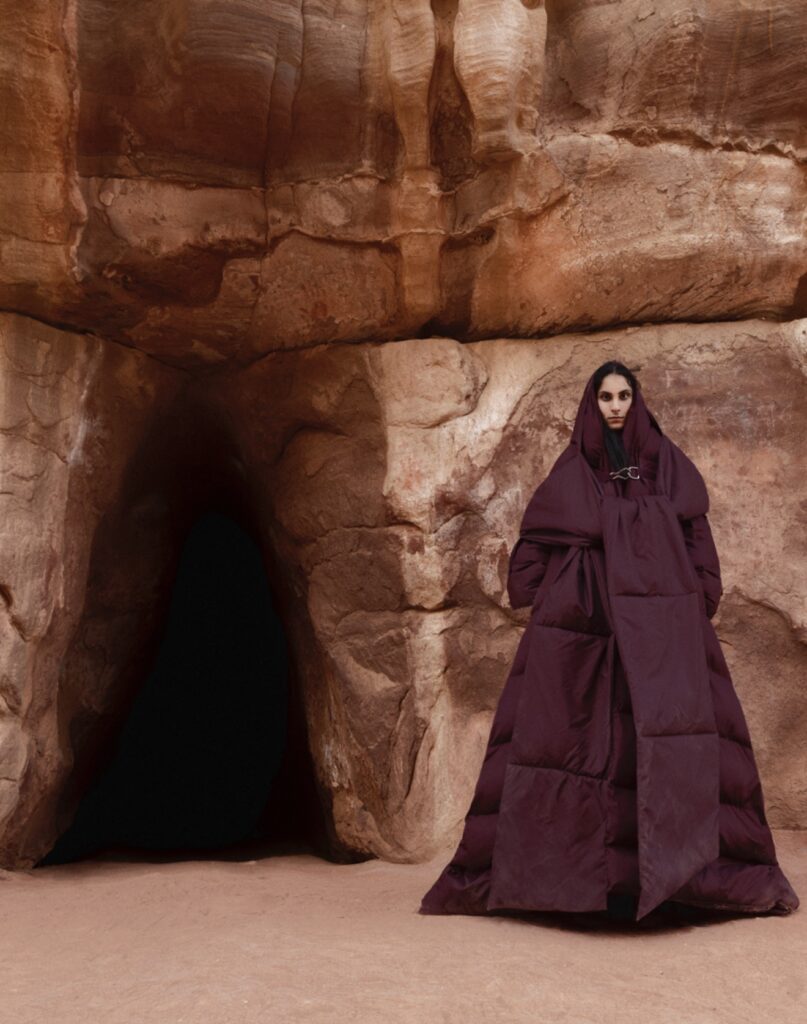
A. Al-Najah | النجاة is a collaboration between Jad Maq and Nazzal Studio, rooted in Bedouin survival instincts from Bilad al-Sham. Using leather, latex, silk, metal, and pigments drawn directly from the land, the collection strips life back to what is necessary. Every form is shaped by function, protection, and presence, inspired by Bedouin rituals, symbols, and tattoo traditions alongside Palestinian and Jordanian tatreez, the work translates ancestral instincts into modern day craft. This is not nostalgia. It is survival translated into contemporary form. A reminder that dignity, clarity, and strength emerge when nothing unnecessary remains. And I see Nazzal Studio evolving further into a multidisciplinary platform. Fashion, performance, sound, and installation will continue to merge. I’m less interested in expansion for scale, though it would be nice to grow as a brand, but I won’t compromise in depth, longevity, and cultural impact.